Advice Centre
A Guide to Selecting the Right Boot Mat
Checking the Exact Vehicle Details
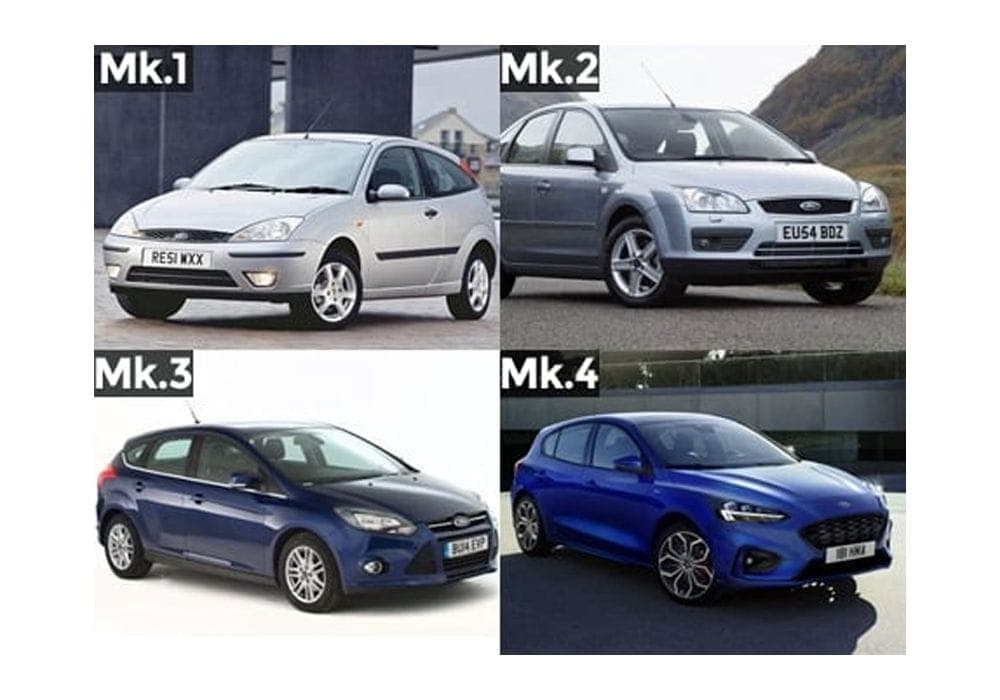
On the subject of the vehicle details, an important thing to check is the generation of the model, commonly displayed as the ‘Mk’. Very often there will be a crossover year, in which a vehicle is updated from an old generation to a new model. For example, 2011 was the year that the Ford Focus changed from being the Mk.2 (2nd generation) to the Mk.3 (3rd generation). Our product titles and descriptions will include this information, so if you do have a vehicle that was registered in a crossover year, it’s best to double-check which exact model you have.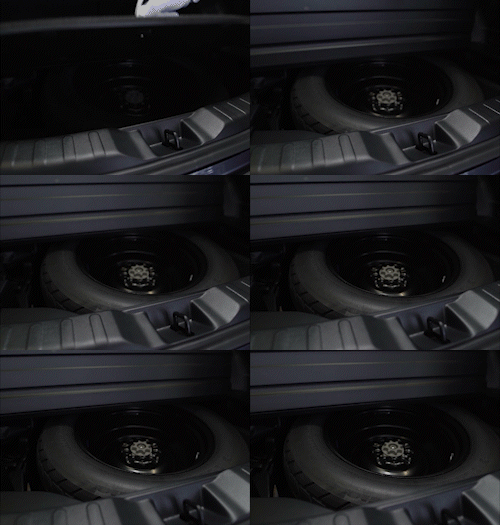
Spare Wheel Size
Once you’ve narrowed down the search to the exact vehicle you have, there are quite often some other details that can affect how a boot mat fits. Therefore, there may be just one option for a vehicle or there could still be quite a few to choose from. The most common feature that leads to there being more than one choice is the type of spare wheel the vehicle has, it could have a full size spare wheel, a space saver wheel or no spare at all. Because of this, some vehicles will have a different boot floor height, so our titles and descriptions will mention this if it is applicable. We do also try to have an image showing what the boot area should look like for the specific boot mat to fit, so you can compare this to the vehicle you have.
5-Seater or 7-Seater
Another thing that can affect the type of boot liner required is how many seats the vehicle has as very often MPV or SUV models will have 5-seater or 7-seater options. This of course changes the size of the boot area, so once again it’s something to consider if you have a vehicle of this type. If you have a 7-seater model, it could be an idea to get both boot mat options, as of course the larger option would protect the boot area when the 6th/7th seats are folded down. The smaller option will just fit in behind those seats when they are in position.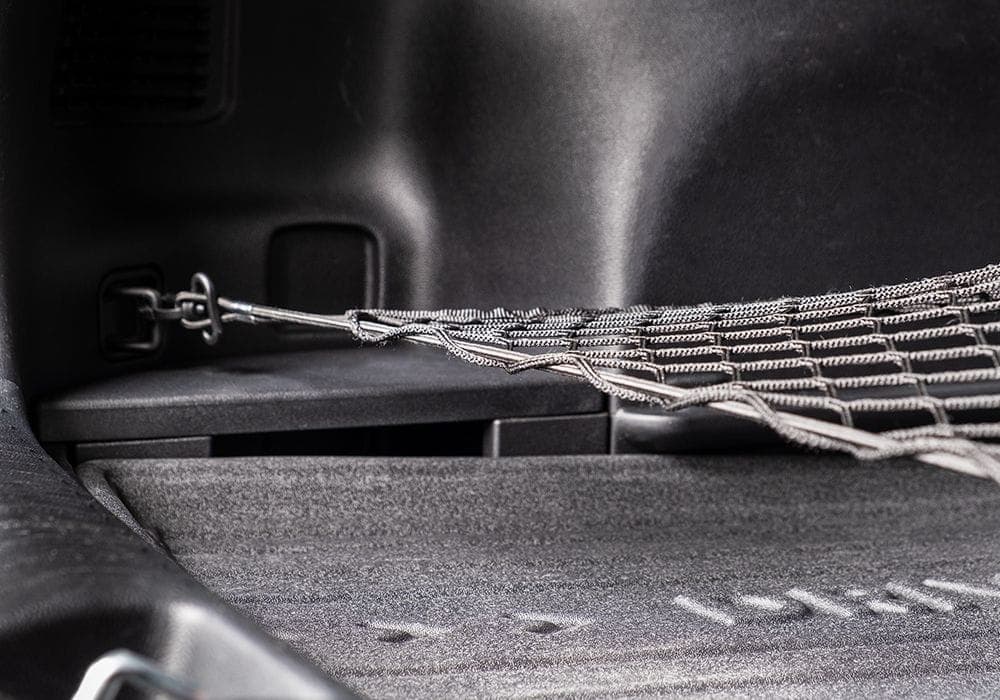
Other Features and Details
There are lots of other specific features that modern vehicles are now being fitted with, such as adaptive mounting and fixing points, boot organisers and built-in subwoofers. When it will affect the way the boot mat fits, our site will have the details listed and images to show this where possible. If unsure it’s always best to ask via our Contact Us page, and we’ll do our best to point you in the right direction. Some boot liners have cut-outs for original fixing points, or come with markings to show where holes can be cut to give easy access to hooks or tie down points. This gives you the option to secure loose items even when the boot liner is in place.Find Custom-Fit Boot Mats for Popular Vehicles
Advice Centre
How to Choose a Rubber Boot Mat
If your car has adjustable or sliding rear seats, it’s important to choose a rubber boot mat designed specifically for your vehicle’s current boot layout. Some SUVs, estates and family cars allow the rear seats to slide forwards or backwards, which can change the size and shape of the boot floor.
A tailored boot mat is usually measured using the manufacturer’s standard seat position. If your seats are regularly moved, you may notice small gaps or overlapping edges depending on where the seats are set.
Many modern vehicles also offer variable-height boot floors, split-folding rear seats and movable luggage rails, all of which can affect fitment. For the best results, check whether your vehicle has any adjustable boot features before ordering.
At DriveDen, we always recommend selecting a boot mat specifically designed for your exact make, model and year to help ensure the best possible fit and coverage.
Modern vehicles often include clever storage and practicality features that can affect how a rubber boot mat fits inside the car. While tailored mats are designed around the shape of your vehicle’s boot, certain factory options can slightly alter the floor layout.
Common features that may affect fitment include:
- ➢ Adjustable boot floors
- ➢ Sliding rear seats
- ➢ Underfloor storage compartments
- ➢ Luggage rails and fixing points
- ➢ Hybrid or EV battery layouts
- ➢ Bose or upgraded sound systems mounted in the boot
- ➢ Third-row seating in SUVs
- ➢ Spare wheel versus tyre repair kit configurations
Because of these variations, two versions of the same car can sometimes require different boot mats. This is why vehicle-specific fitment information is so important when buying a rubber boot liner.
If you’re unsure which option your car has, checking your vehicle handbook or comparing your boot layout with product images can help you choose the correct mat first time.
Fitting a rubber boot mat is usually quick and straightforward, especially when using a mat designed specifically for your vehicle. Before installation, remove any existing carpet mats or loose items from the boot area and make sure the surface is clean and dry.
To fit the mat properly:
1. Unroll or unfold the rubber boot mat if it has been packaged flat or folded.
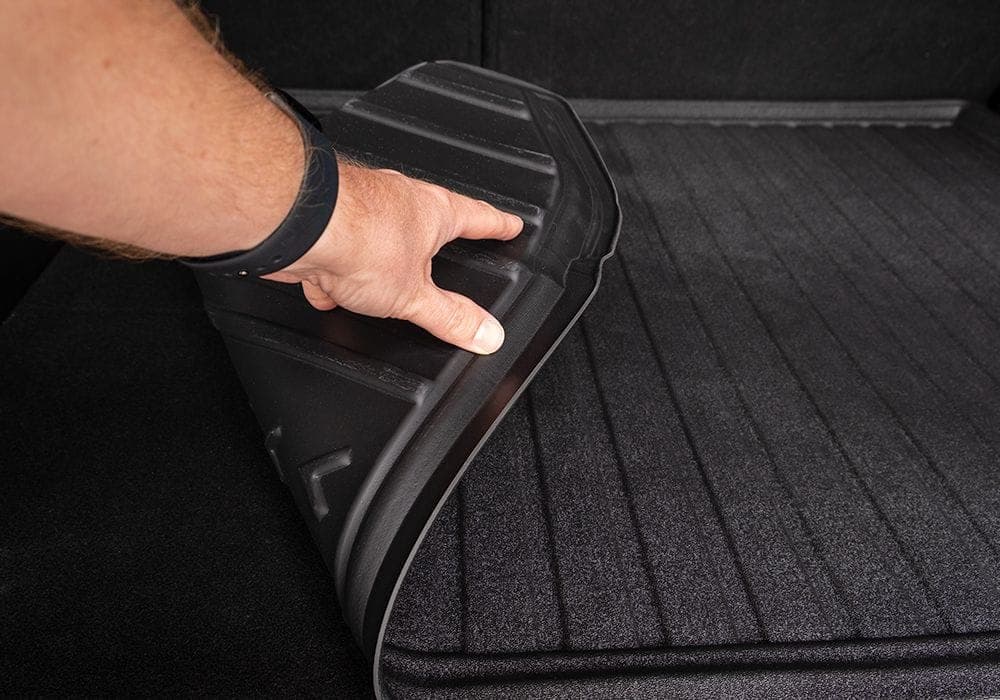
2. Position the mat inside the boot with the raised edges facing upwards.
3. Align the mat with the contours of the boot floor, wheel arches and rear seats.
4. Press the mat gently into place so it sits flat without curling or lifting.
New rubber mats can sometimes retain slight bends from packaging during delivery. Leaving the mat in a warm environment or inside the vehicle for a short period usually helps it settle naturally into shape.
A correctly fitted rubber boot mat helps protect your vehicle interior from mud, spills, pet hair and everyday wear while also reducing movement during loading and unloading.