The Ultimate Roof Bar Education Hub
Roof Bars Buying Guide

- Open Rails (sometimes referred to as raised rails)
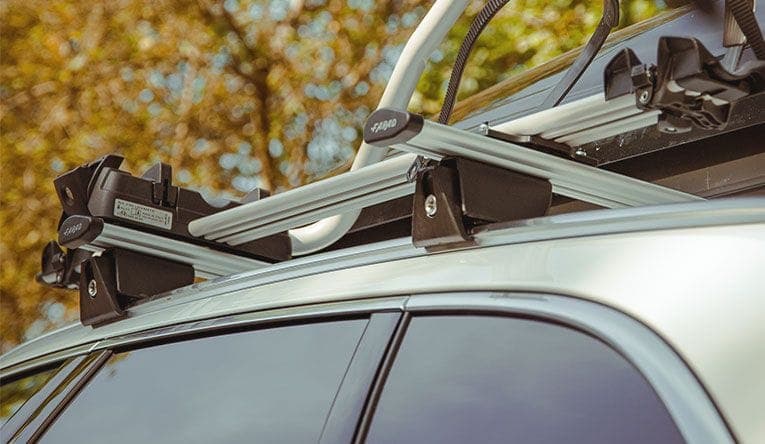
Your vehicle has side rails which run from the front to rear of the roof and will have a gap between the roof and the rail, usually large enough to fit your fingers through. - Closed Rails (sometimes referred to as flush rails)
Similar to open rails, but without the gap. The rail will be touching the car roof along its entire length. - Fixed Point Roofs
Your vehicle has no pre-fitted side rails, but has removable or sliding tabs, which reveal a screw fixing hole. The fixing points will be on the roof, front and back, and on both sides of the car. - Normal Roofs (sometimes referred to as plain or bare roofs)
Your vehicle has no rails of fixing points on the roof. Bars for "normal roof" cars fit to the door openings. Sometimes cars have a location hole, which can be seen when the door is open. Some 3 door models allow for the rear bars to fit to the edge of the rear window, but some will require both bars to clamp on the front door opening, meaning the gap between bars may be quite small. If this is the case, we will indicate the distance.
Roof bars are generally used by sport enthusiasts, holiday-goers, and trade professionals to carry bulky items on the top of their vehicles that may not fit inside or for those wishing to make more space to the interior. Some popular car travel accessories include:
▶ Bike racks
▶ Roof boxes
▶ Kayak & canoe racks
▶ Ski & snowboard racks
▶ Large wooden sheets & materials
It is crucial to consider the size of the items you wish to carry. As modern roof bars are getting wider to cut noise and air drag, which can cause issues with accessories being fitted. If you have existing car bike racks, car roof boxes or other accessories, please check the width of the fittings for these, as some may be too narrow for the bars. Bars range from 32mm up to 70mm, so this is an important factor when ordering.
Yes, even occasional users benefit from having a roof rack set ready for trips where extra storage is essential such as: family holidays, camping breaks or transporting equipment that doesn’t fit inside the vehicle. At DriveDen, we offer both budget-friendly steel options and lightweight aluminium sets designed for regular use.
Roof bars are rated and tested for a safe load weight, usually between 60kg and 100kg. This is the weight that can be safely carried on your roof bars. You will also need to check your vehicle handbook as this will tell you the safe weight that the vehicles roof itself can carry. You may buy 100kg bars, but your car can only carry 75kg. You will need to adhere to the lower weight.

This decision will be based on your budget, load weight needed and the style.
- Steel bars
Steel bars will have a lower cost so are ideal if you only plan on using them occasionally, however they will be heavier and usually square in shape, meaning they will not be as quiet as aluminium bars. - Aluminium bars
Aluminium will be lighter and generally stronger with higher weight limits. They are also aerodynamically shaped and more stylish looking. Aluminium bars often include T track slots, giving more fitting options. Please be aware aluminium bars are wider then steel, so care needs to be taking when checking existing or future accessory fittings will be suitable for the width. We detail bar widths and accessory fitting widths in all our product descriptions.
Steel Aluminium Price Lower Higher Noise Higher Lower Weight Heavier Lighter Appearance Basic Premium T-Track Usually No Usually Yes
Bars usually take 15-30 minutes to fit on the first time, then once the distances are set up, about 5-10 minutes each time they are re-fitted on the car. We would recommend removing bars when they will not be used for some time. This will reduce fuel consumption and wind noise.
All our roof bars come with fitting instructions, and we also provide fitting advice throughout our website, on our YouTube channel and by getting in touch with our customer services team.
You can, but we recommend removing them if they’re not regularly needed. This helps reduce wind noise, minimises drag and prolongs the lifespan of the bars.
Not completely. Some accessories are universal, but roof bars themselves are vehicle-specific. Use our vehicle registration search tool to find bars designed for your exact make and model.
Yes, all our bars have a method of locking the roof bars to the car roof. This is normally in the form of a plastic cover which is locked over the fitting bolts. Each brand and model are different and will be detailed on the product page. Locks on roof bars are to act as a deterrent and are never 100% secure. They are designed to put off the opportunist.

We offer a few brands, giving plenty of choice, whilst ensuring all our products are safety tested, approved and easy to fit. Farad, Fabbri and Modula branded bars are all manufactured in Italy and imported directly by us, ensuring the best possible pricing. These three brands offer great value, great quality and excellent fit.
We are also an official Thule dealer, so can offer great prices on Thule bars and accessories. These are regarded as the industry leaders, and Thule also work with most car manufacturers on their original equipment roof bars
Generally, roof bars will start to make a high whistling noise when you’re driving at faster speeds on motorways. This is caused by gusts of wind flowing over and under the roof bars. You’ll find more modern and premium bars are now designed to try to keep noise to a minimum, look out for the term ‘aerodynamic’ on our product pages. There are a few things you can do to see if you can reduce wind noise, these include making sure the roof bars are setup according to the instructions provided (you’ll be surprised to hear that we do get queries from individuals who have put the bars on back-to-front). If you don’t have fixed points on your vehicle you can try repositioning the bars a little further forward or backward to see if this makes a difference. Padding out the roof bars with surf pads or wrapping rope around the bars could potentially help disrupt the airflow and reduce whistling noise.
T-Tracks: some roof bar accessories will use t-track fittings, where accessory fittings and screws slide into a slot on the top of the bar via the side panels and positioned into place. This allows for quick fitting and allows you to use the full width of the roof bar. Our Farad Aero & Wing and Thule WingBar ranges feature t-track slots.

U-clamps: these fittings don’t slide across the roof bars and act as a loop that wraps around your roof bar instead. These a typically useful for older steel roof bars, accessories that use u-clamps and roof bars that are missing the t-track sliding slot. Our Modula Square and Thule SquareBar ranges typically pair will with accessories that use u-clamps.

Technically you can, but we don’t particularly recommend doing so. If you’re going to a manual hand car wash where there’s minimal touching of the bars, then it shouldn’t be too much of an issue. If you’re going through a petrol station, we’d suggest detaching your roof bars as you would a car aerial when going through an automatic car wash. The risk of roller brushes damaging the vehicle is a lot higher and we certainly advise against going through them when carrying accessories on your roof.
There are a few things to look at to prevent damage to your vehicle when carrying roof bars. The first being the maximum load the bars can carry; you need to check this in two places. The roof bar max load capacity (generally around 75kg), which indicates the max weight the roof bars can withstand without becoming damaged or affecting the roof surface of your car. Secondly, you also need to check your car manufacturer’s guide, they will provide a max travel weight to ensure you don’t put too much pressure on other elements of the vehicle.
Certifying your roof bars are fitted correctly according to the provided instructions while also ensuring you’re not over-tightening any of the fittings will prevent any accidents from occurring. Using a sunroof while the roof bars are intact also increases the risk of damaging your car, we recommend setting your sunroof to its preferred position before setting off on your journey and checking your car manufacturer’s manual for advice on using car sunroofs when on the road.
The simple answer is yes, carrying extra load on the top of your vehicle will increase its fuel consumption. By how much can vary by car type, amount being carried on the roof and speed of driving. Studies vary in percentage as to how much fuel can be burnt, our advice would be to ensure all items are secure and to keep speeds beneath 60mph where possible to keep consumption as low as possible. And to ensure you remove roof bars when they’re not required.
In many cases, the roof bars themselves can be reused, but the fittings often cannot. Many roof bar systems consist of cross bars, a foot pack and a vehicle-specific fitting kit. If your new vehicle has a different roof type or dimensions, you may only need to replace the fitting kit rather than the entire system. Some integrated systems, however, are designed specifically for one vehicle and cannot be transferred. If you're unsure, our team can help you determine whether your existing roof bars are compatible with your new car, drop us an email via [email protected] with both your existing vehicle registration and new vehicle registration so we can analyse those branded parts for you.
Vehicles with panoramic or glass roofs require extra care when fitting roof bars. In most cases, we do not recommend fitting roof bars directly to vehicles where the bars would clamp onto or place pressure around the glass roof, as this can increase the risk of damage to the roof or headlining. Vehicles with factory-fitted roof rails are often more suitable because the roof bars attach to the rails rather than the roof itself, but compatibility still depends on the exact make and model plus the roof type.
If your vehicle is approved for roof bars, you should decide whether the panoramic roof will be open or closed before fitting the bars for each journey. Never open or close the panoramic roof while the roof bars are installed or while driving, as this could cause damage to the roof mechanism or the bars themselves.
The safest way to check compatibility is to enter your vehicle registration on our website, where we'll identify roof bar systems that are suitable for your specific vehicle and then reading the page details where we will advise if the roof bar set is suitable for a panoramic or glass roof type.
Electric vehicles don't necessarily require different roof bars, but they do require roof bars specifically designed for their make and model. Where you may find that the non-EV model will work with one set, in many cases it may not suit a hybrid or actual EV of the same brand and model. Many EVs have unique roof designs, flush rails or fixed mounting points that require dedicated fitting kits. Because electric vehicles are often more sensitive to aerodynamic drag, choosing aerodynamic aluminium roof bars can also help minimise wind noise and reduce the impact on driving range. Always check your vehicle's maximum roof load before carrying additional equipment.
Roof bars should be checked after the first few miles following installation, as components may settle slightly during initial use. After that, it's good practice to inspect them before every long journey and periodically if they're left fitted for extended periods. Check that all fixings remain secure, the bars haven't shifted, and there are no signs of wear or damage. Regular inspections help ensure your roof bars continue to perform safely and securely.
Both roof bars and roof racks are essentially the same word as they are both tools used to transport bulky equipment on the top of our cars. We genuinely use the term ‘roof bars’ for most of our roof bar sets that tend to come in pairs and fit horizontally on top of the vehicle. Where the term ‘roof racks’ is used we tend to refer to product lines that act as crates or baskets that sit on top of the vehicle, generally where larger vehicles and vans carry cargo that require basket-style roof racks to transport trading materials.
Showing all results for .
Tips on selecting roof bars for my car...
Now you have read this buying guide, you are ready to browse our roof bars and find your ideal set. Please select your vehicle make, model and year. You will then be able to filter down on the left had side to your vehicle body-style and other filters such as steel, aluminium, open rail type. Or for the most accurate results input your vehicle registration details into the yellow box and we’ll either confirm fitment or present all the sets that are tailored to fit your vehicle perfectly.