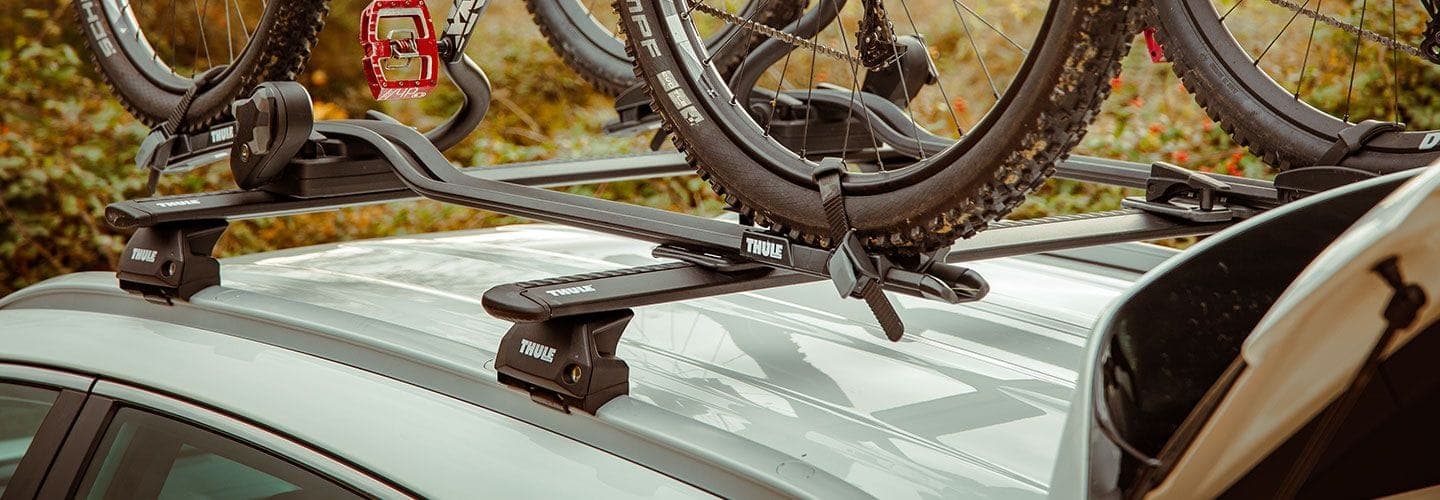
Choosing the Right System for Your Vehicle
Thule Roof Bars Buying Guide
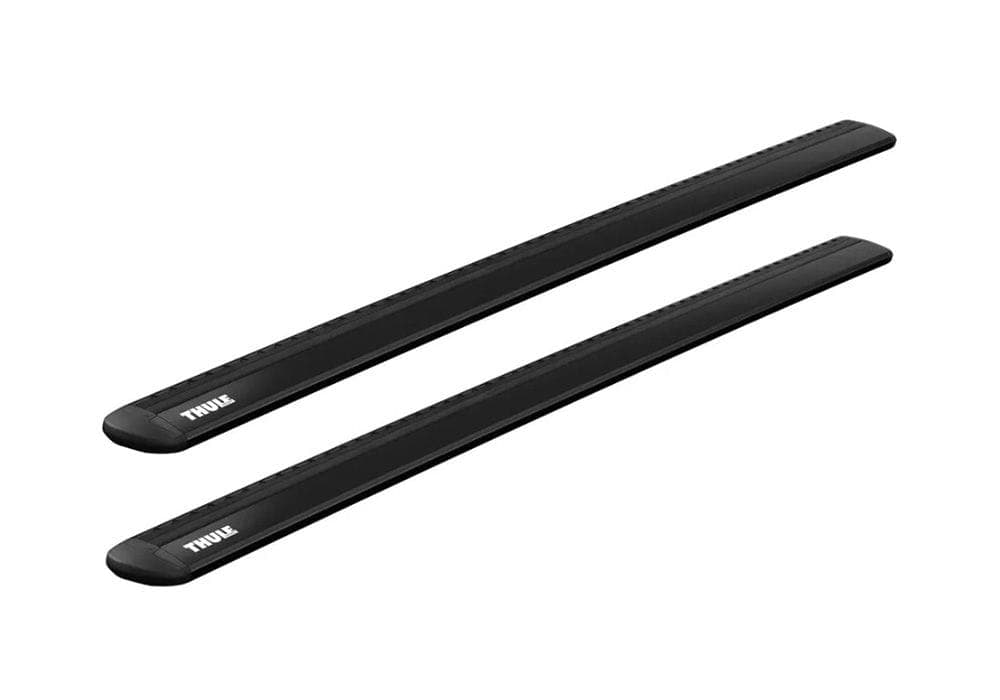
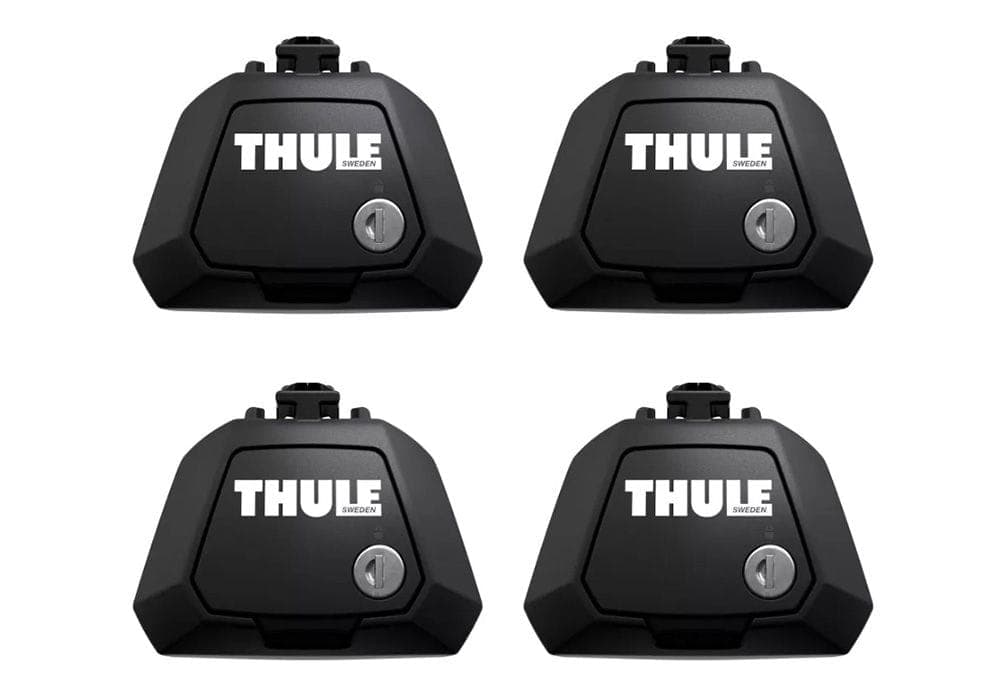
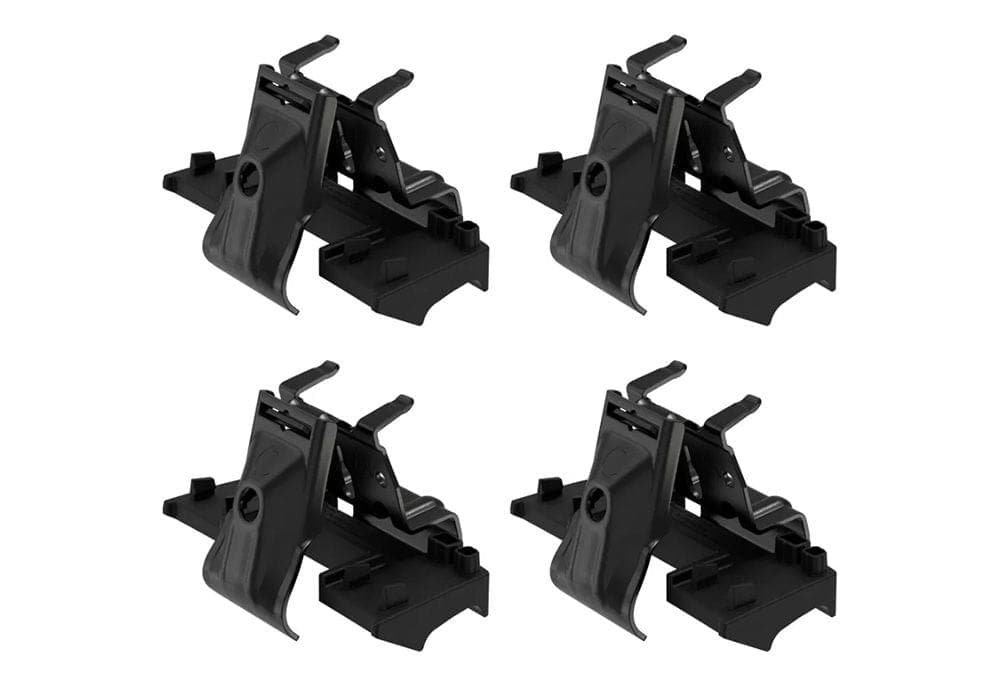
Understanding the Thule Roof Bar System
- Roof bars (the load-carrying crossbars)
- Foot packs (the mounting feet that attach to the vehicle)
- Fitting kits (vehicle-specific components for secure installation)
Thule Roof Bar Types Explained
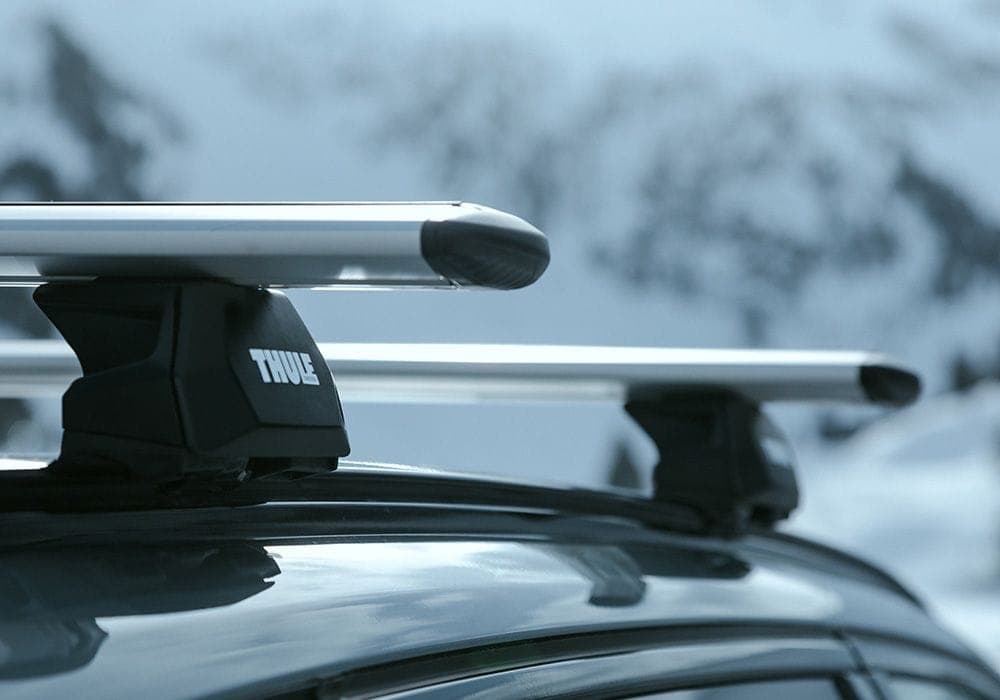
WingBar Evo: The All-Round Premium Choice
- Best for: Roof boxes, bike racks, multi-accessory setups
- Material: Aerodynamic aluminium
- Noise Level: Very low
- Load Flexibility: High (longer usable bar width)
- Ideal User: Frequent travellers and outdoor users
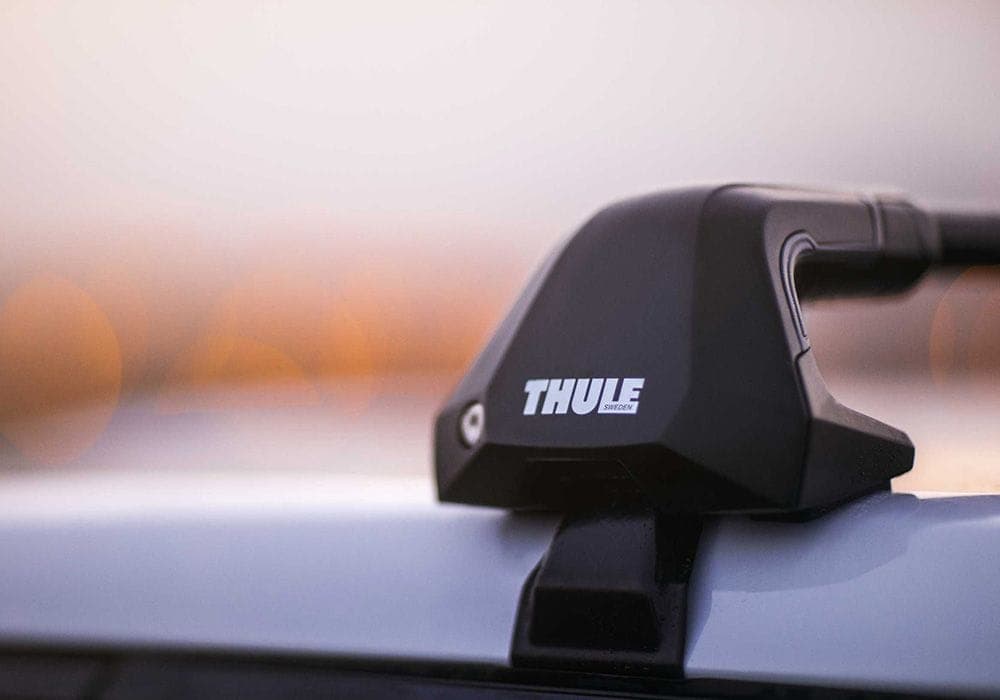
WingBar Edge: Low-Profile and Integrated Design
- Best for: Occasional roof box use and a sleek vehicle look
- Material: Aerodynamic aluminium (low-profile design)
- Noise Level: Very low
- Load Flexibility: Medium (flush design limits width)
- Ideal User: Style-conscious drivers who want an integrated finish
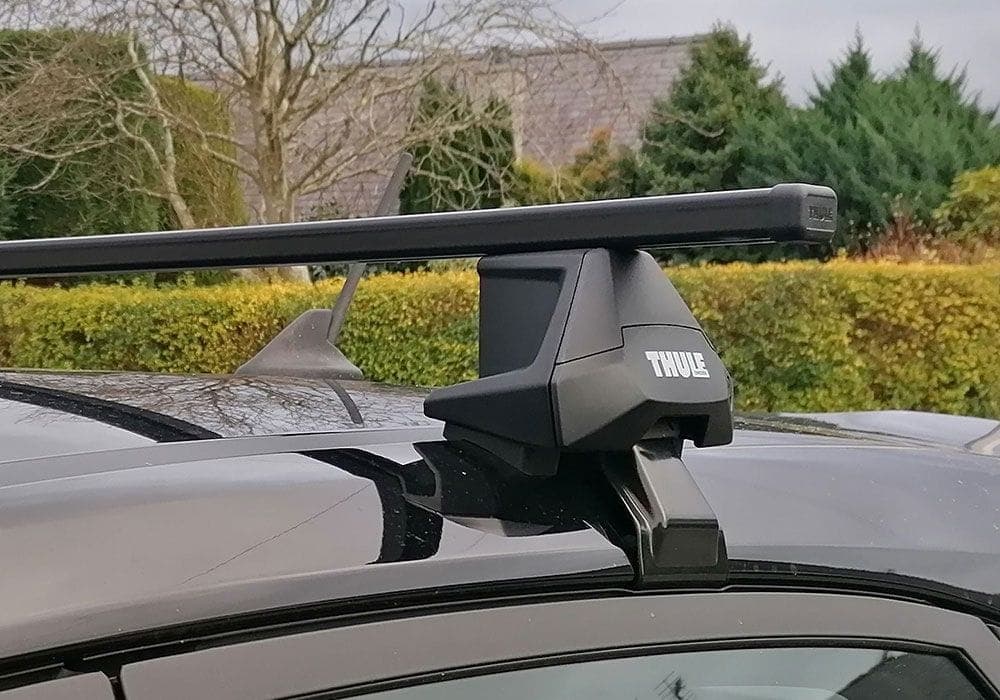
SquareBar Evo: Practical and Budget-Friendly
- Best for: Trade use, ladders, and budget setups
- Material: Coated steel
- Noise Level: Moderate (less aerodynamic)
- Load Flexibility: Good but clamp-based accessory fitting
- Ideal User: Practical users and commercial applications
Choosing the Right Roof Fixing for Your Vehicle
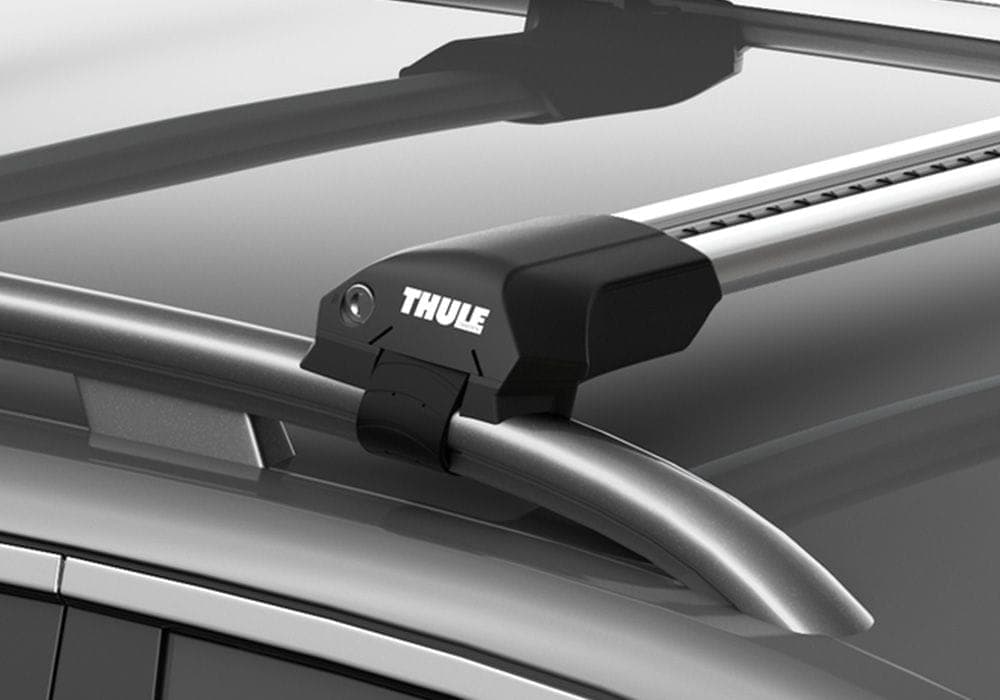
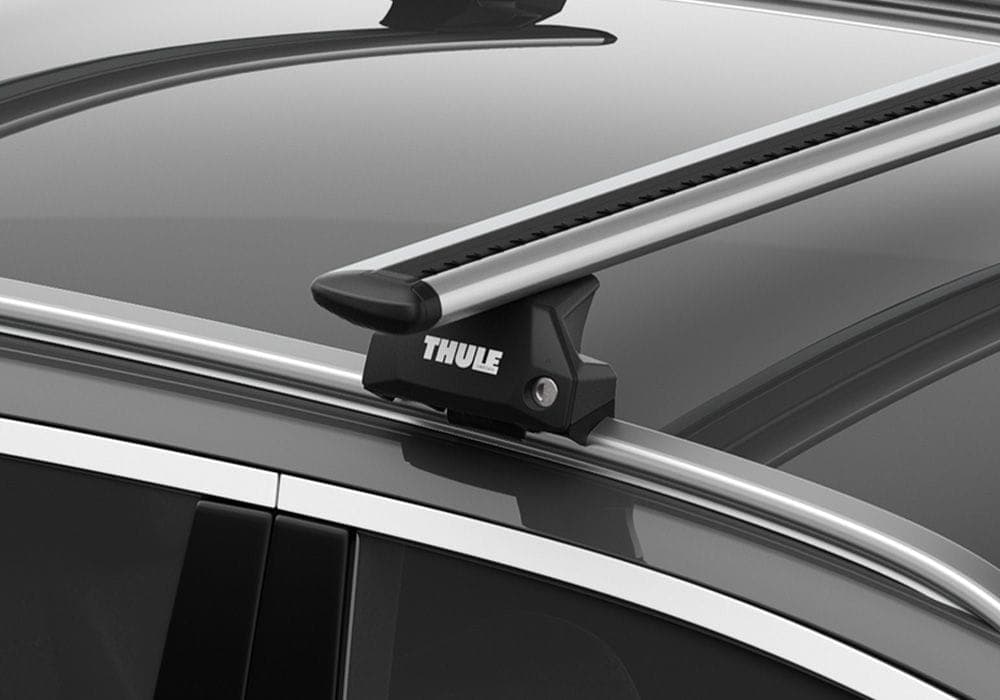
Open Raised Roof Rails
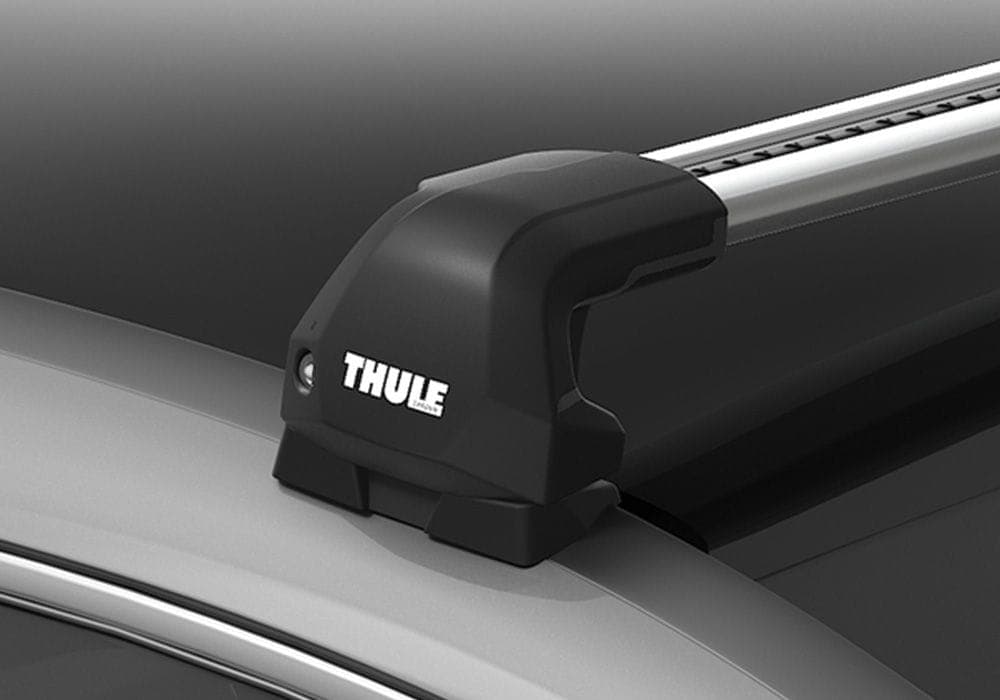
Closed (Flush) Roof Rails
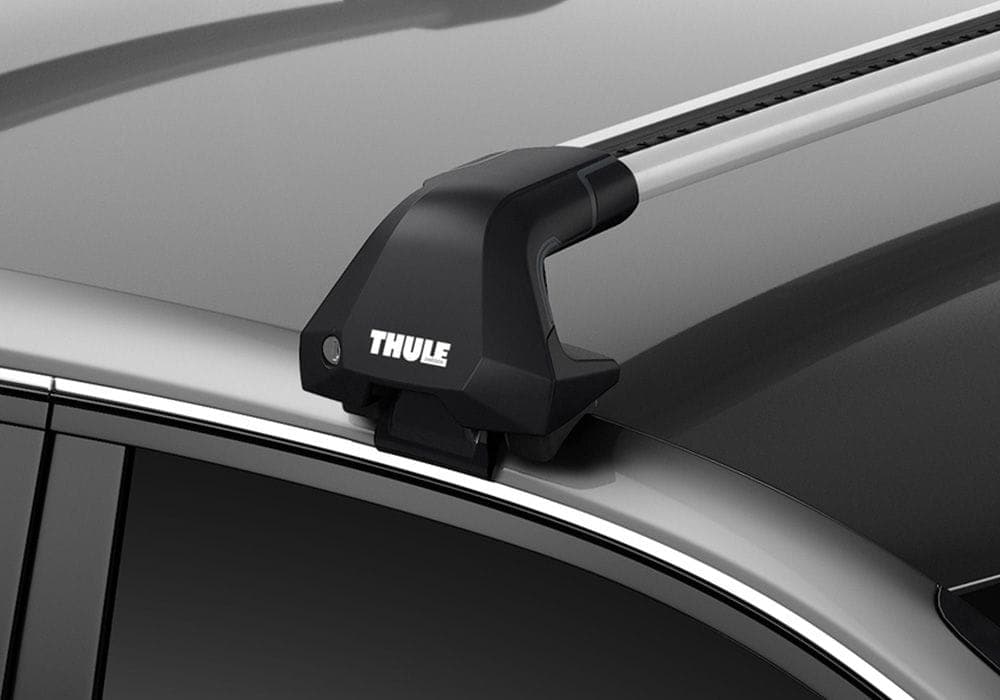
Fixed Point Roofs
Bare Roof (No Rails or Fixings)
For roof boxes, WingBar Evo is typically the most versatile option due to its aerodynamic profile and wide loading surface. The T-track system allows roof boxes to sit lower and more securely, improving both stability and fuel efficiency on longer journeys.
WingBar Edge is also suitable for roof boxes (normally standalone), particularly for drivers who use them seasonally for holidays or ski trips and want a more discreet look when the bars remain on the vehicle.
If you only use a roof box occasionally, SquareBar Evo can still be a dependable option, although you may experience slightly more wind noise compared to aerodynamic bars.
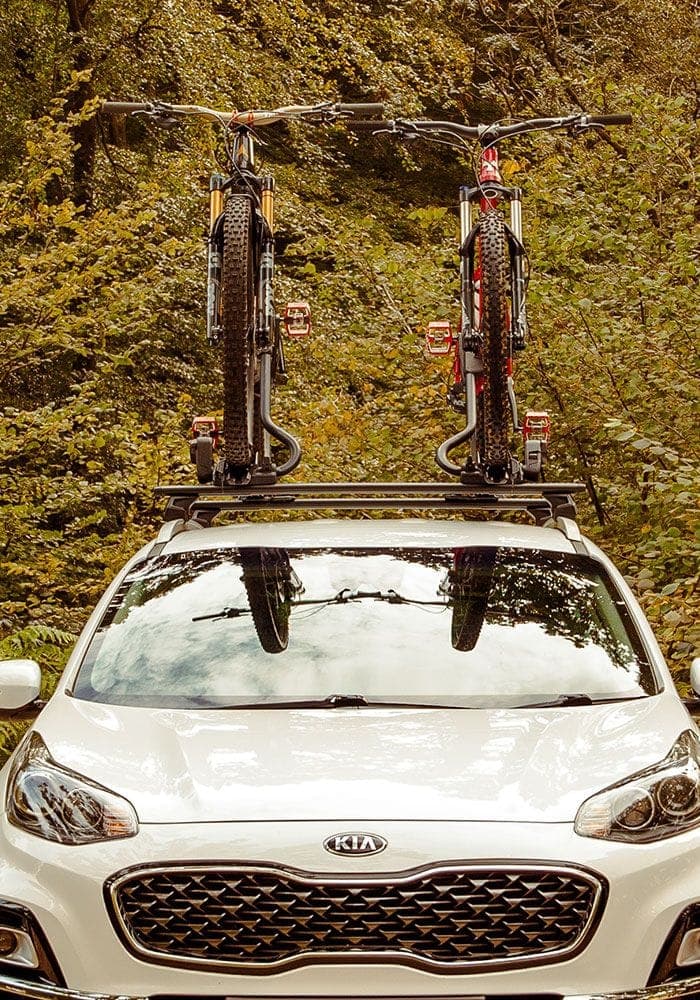
Roof mounted bike racks work exceptionally well with both the WingBar Evo and WingBar Edge ranges thanks to the T-track compatibility and strong load support. This setup is ideal for road bikes, mountain bikes, and even heavier electric bikes when weight limits are respected.
SquareBar Evo can also support bike racks using U-bolt clamp adaptors, making them a practical choice for occasional cycling trips.
For households regularly transporting multiple bikes, the extended bar width of WingBar Evo provides more flexibility for spacing and positioning.
Roof tents place significantly more static and dynamic load on your roof bar system, so choosing the correct bar type and vehicle fitment is essential.
WingBar Evo and certain heavy-duty Thule systems are generally the preferred choice for roof tents due to their strength, stability, and higher load ratings. Fixed point and raised rail vehicles tend to offer the most secure mounting platform for these heavier accessories. Always check both the vehicle roof load limit and the roof bar load capacity before installing a roof tent.
We’d advise against a WingBar Edge or SquareBar Evo setup in this scenario, for full information on attaching a roof tent to your roof bars see our roof tent for roof bars buying guide.
Supporting Accessories and Spare Parts Explained
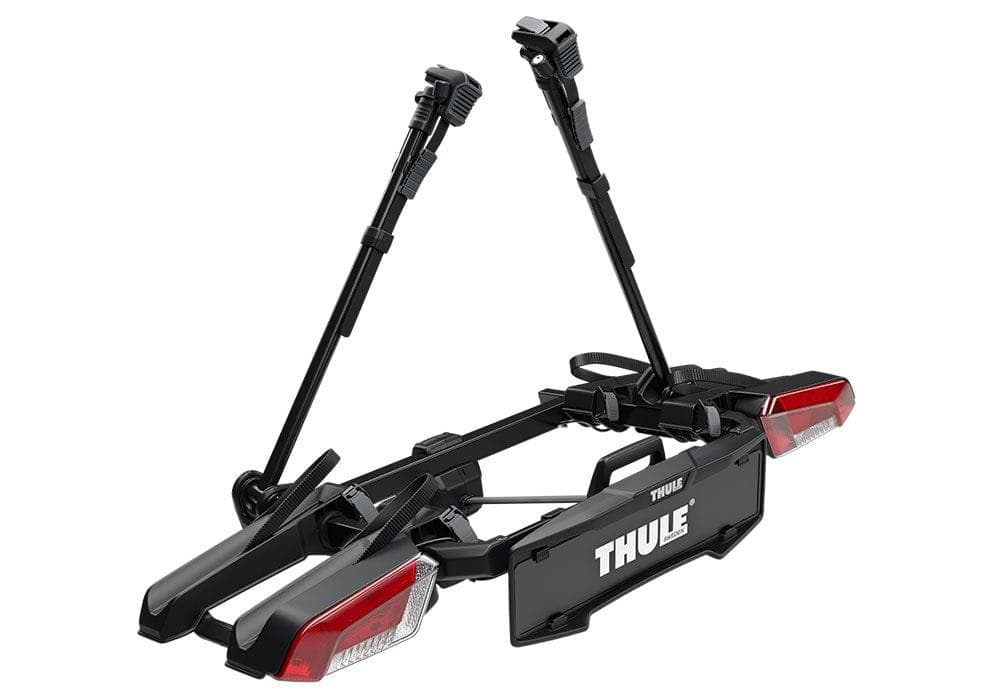
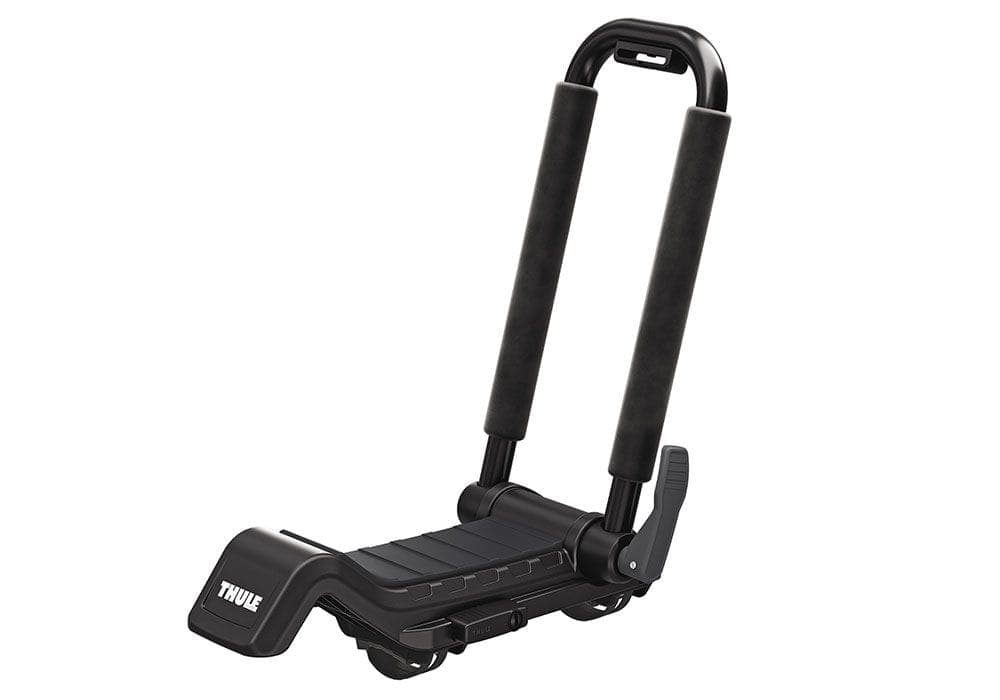
Thule Kayak Racks
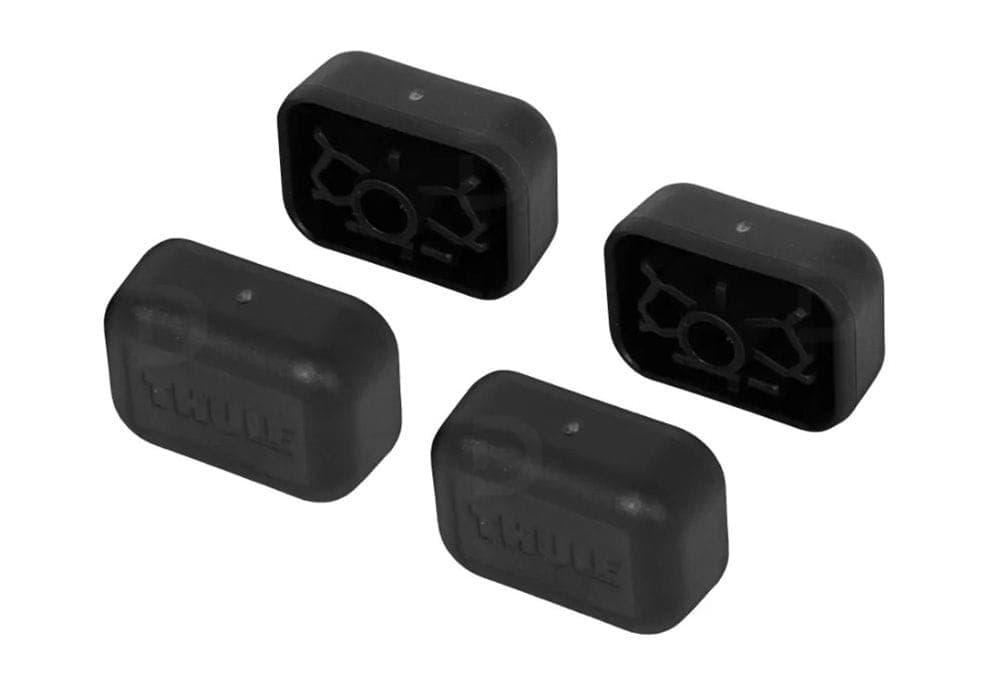
Thule End Caps
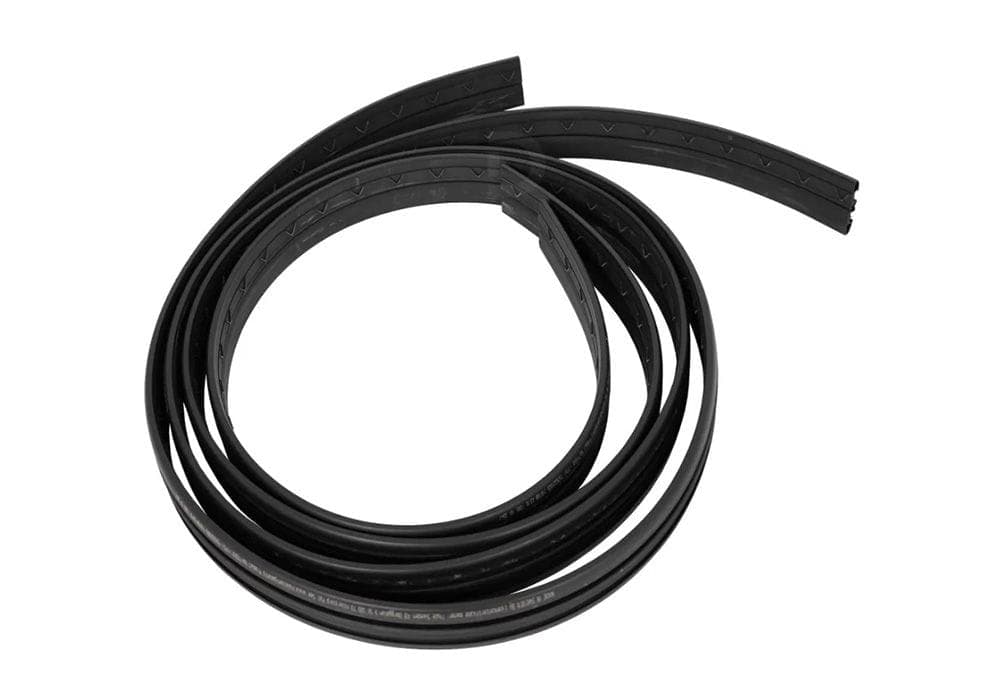
Thule Roof Bar Rubber Strips
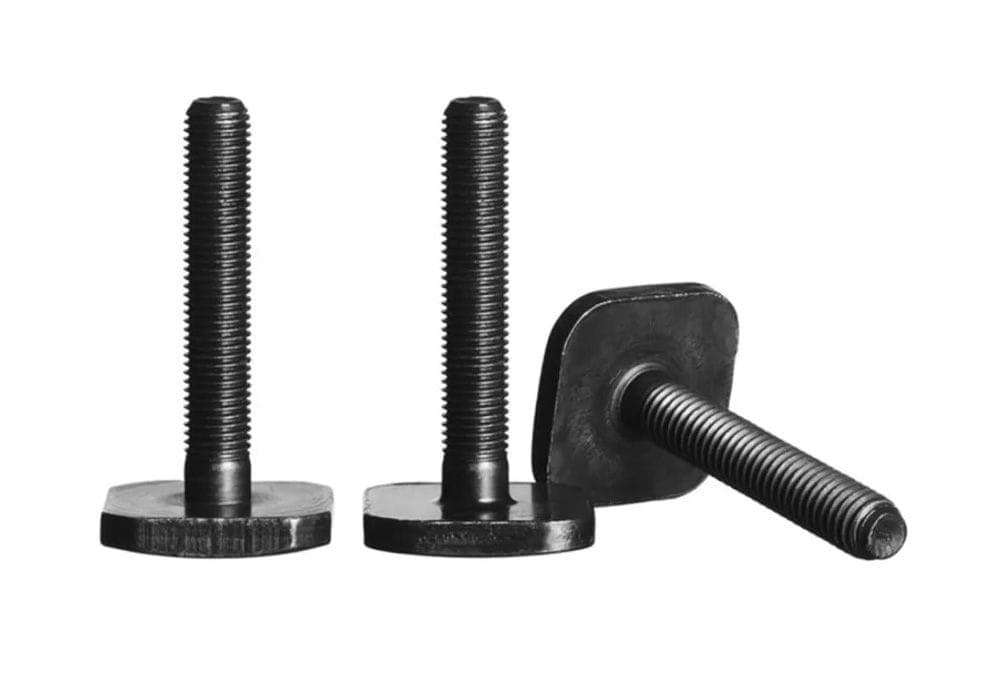
Thule T-Track Bolts
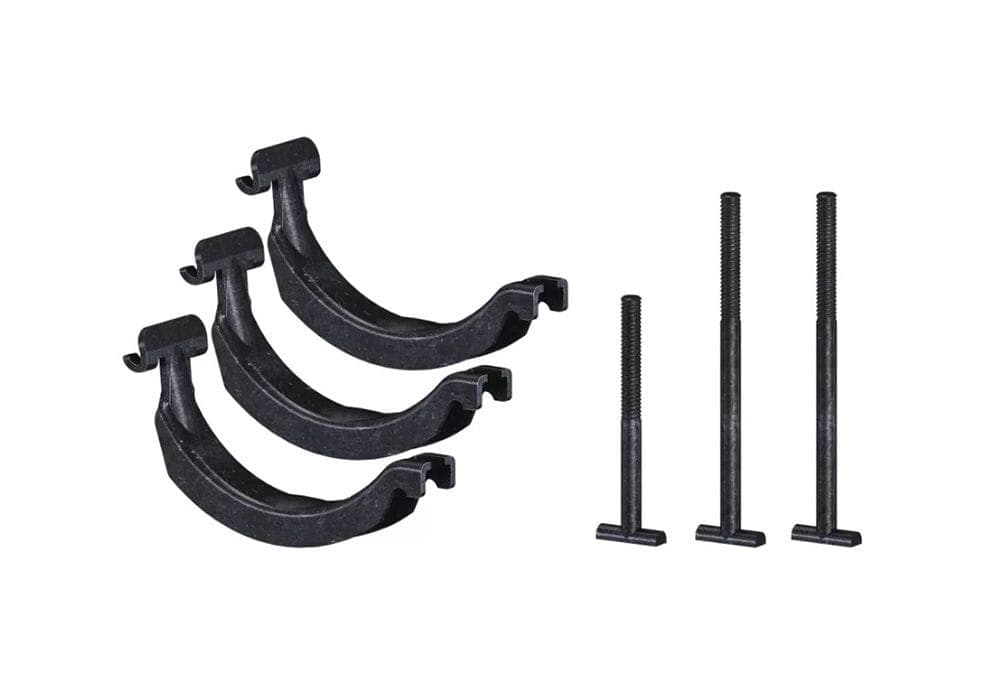
Thule Roof Bar Adaptors
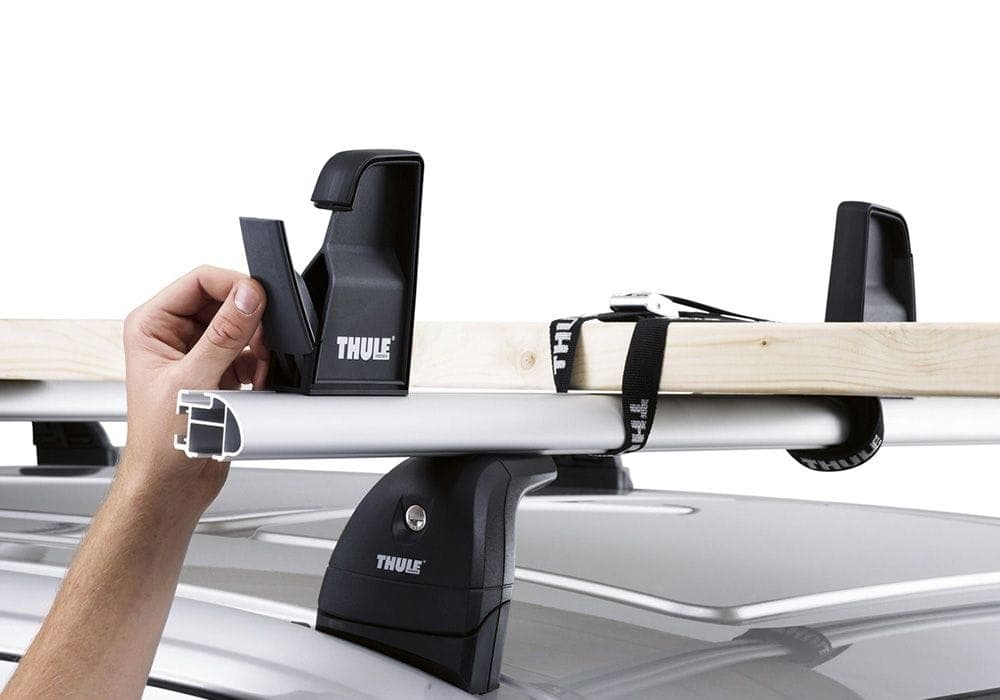
Thule Load Stops
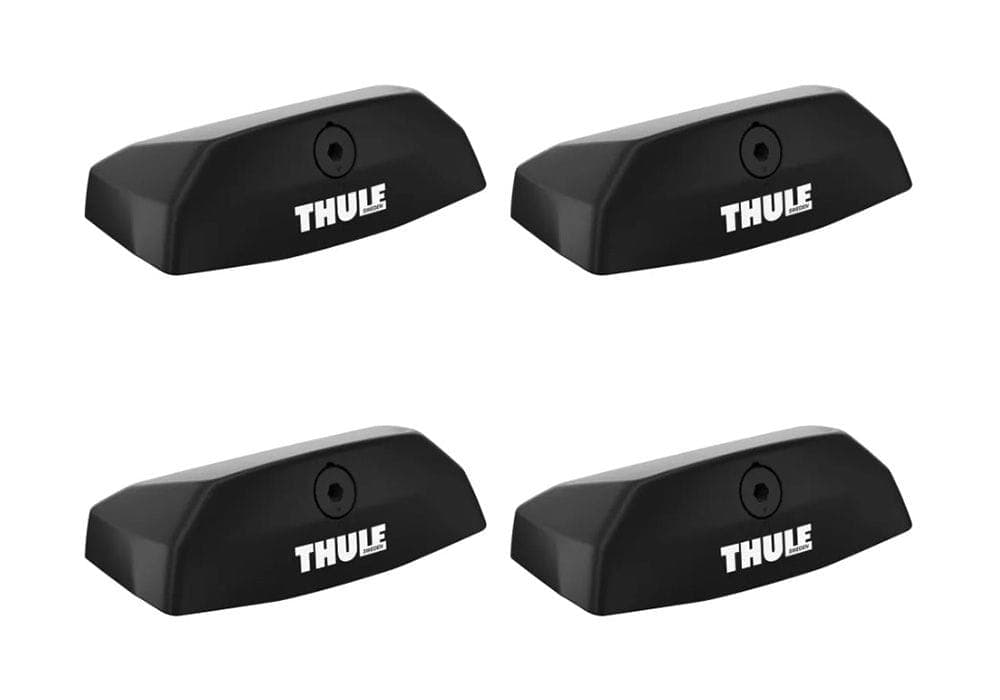
Thule Fitting Kit Covers
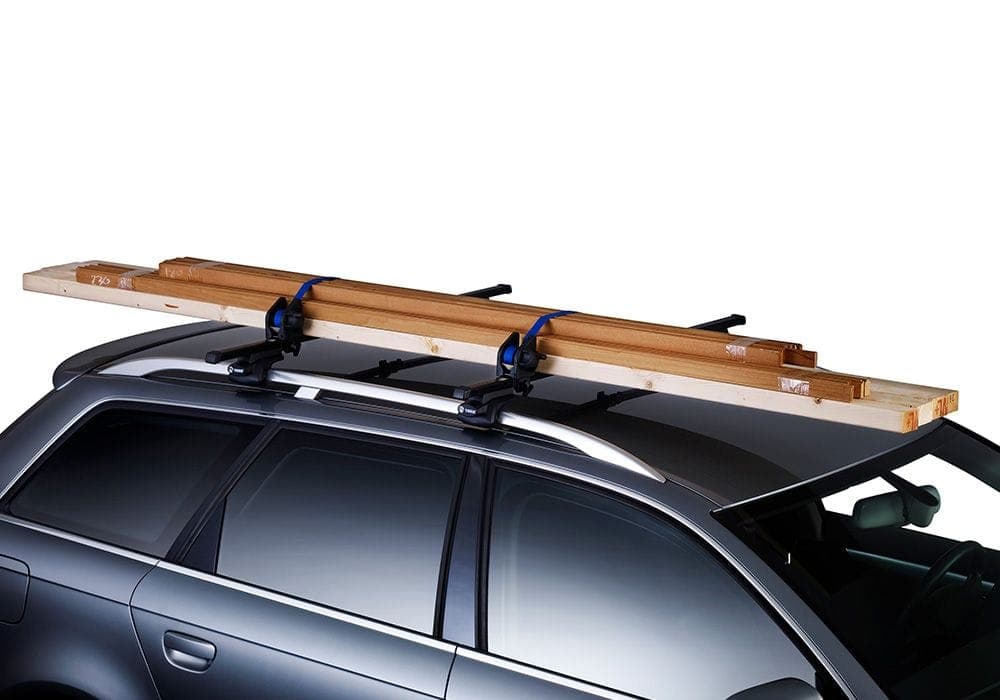
Thule Bungee Cords & Straps
Why Thule Roof Bars Are a Long-Term Investment
Final Considerations Before Buying
- Your vehicle’s roof type (raised rails, flush rails, fixed points, or bare roof)
- Maximum roof load limit set by the vehicle manufacturer
- Intended accessories (roof box, bike rack, roof tent, ski racks, or general cargo)
- Preferred bar profile (aerodynamic aluminium vs budget steel)
- Future flexibility if you plan to change vehicles
FAQs
Aerodynamic bars such as WingBar Evo and WingBar Edge are generally the quietest Thule roof bars available. Their wing-shaped profile is designed to reduce wind resistance and noise at motorway speeds, making them a better choice for regular UK driving compared to traditional square steel bars, which can produce more wind noise due to their boxier shape.
WingBar Evo roof bars are often considered worth the investment for drivers who frequently use roof boxes, bike racks, or other roof mounted accessories. They offer strong load capacity, low wind noise, and a wider usable bar surface, which makes them more versatile for multi-accessory setups. For long-term use and regular travel, they typically provide better performance and comfort than entry-level steel bars.
In most cases, yes. Thule roof bar systems are vehicle-specific, meaning you’ll usually need a fitting kit and foot pack alongside the bars themselves. The fitting kit ensures the bars attach securely to your vehicle’s roof type, whether that’s raised rails, flush rails, fixed points, or a bare roof. Using the correct kit is essential for safety, load stability, and proper alignment.
Often, you can reuse the bars themselves when changing vehicles, but you may need a new fitting kit and sometimes different foot packs depending on the roof design of your new car. This modular system is one of the key advantages of Thule roof bars, as it allows you to keep the main investment while only replacing the vehicle-specific components.
Load capacity depends on both the roof bars and your vehicle’s maximum roof load rating. Most Thule systems support substantial dynamic loads suitable for roof boxes, bike racks, and outdoor gear, but you should always follow the lower of the two limits (vehicle or bar rating). This is especially important when carrying heavier items such as multiple bikes or roof tents.
Yes, Thule roof bars are particularly well suited to SUVs, estates, and family hatchbacks, as these vehicles often feature raised or flush roof rails that allow secure installation. Popular UK models such as the Nissan Qashqai, Volkswagen Tiguan, Kia Sportage, and Skoda Octavia are commonly fitted with Thule systems for roof boxes, bike carriers, and holiday storage solutions.
Initial installation typically takes around 30-45 minutes if fitting the system for the first time using the included instructions. Once the foot packs and fitting kit are correctly set up, reinstalling the bars for future trips is usually much quicker. Many drivers leave the fitting components in place and only attach the bars when needed for seasonal use.
Square bars remain a practical and reliable choice, particularly for trade users or occasional roof box use. While they are generally more affordable and durable for heavy-duty loads, they are less aerodynamic than aluminium wing-shaped bars and may produce more wind noise. For regular motorway travel or frequent accessory use, aerodynamic bars are usually the preferred option.