DriveDen image

Using Our Vehicle Registration Lookup Tool

The Great Reg Lookup

Our vehicle registration lookup makes it easy to find products that are custom-fit for your car or van. It also helps verify that the item you’re viewing is a perfect match. However, some vehicles may have unique features or modifications not captured in our data, so we occasionally need extra input from customers. Before buying, please consider the key factors below — such as roof rail types for roof bars, boot layout for rubber mats, and mounting options for bike racks.

Additional Information Required for

Roof Bars
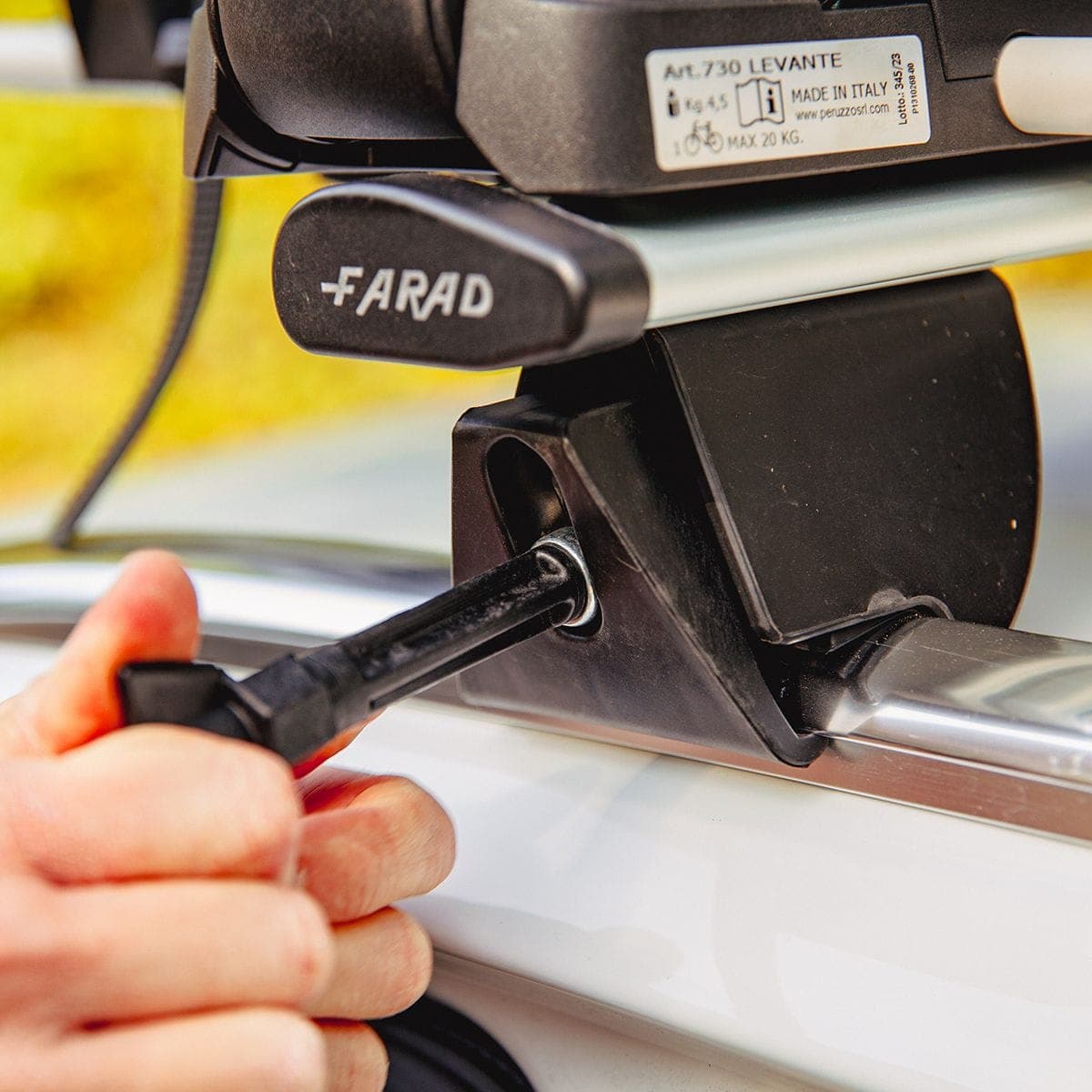
Our car registration lookup tool accurately identifies your vehicle’s make, model, year, and body style. However, it may not always determine your vehicle’s roof type. While most vehicles from a given year will have a standard roof configuration, some models may present multiple roof type options in the search results. It's important to know your specific roof type before purchasing to ensure we send you the correct roof bar set. You should also consider your vehicle’s load limit. If you plan on carrying multiple or bulky items on your roof, please note that each product listing includes the maximum load capacity for that particular item. We recommend checking your vehicle’s manual as well, since manufacturer guidelines on roof load limits and the number of bars required can vary. Where applicable, we also include notes regarding compatibility for hybrid and electric versions of the same make and model. Please review these carefully to confirm that the roof bars you’re viewing are suitable for your specific vehicle.
Understanding Roof Rail Types Before Purchasing Roof Bars

Understanding Rail Types

Check out the 4 main roof rail types or read our buying guide for more tips & tricks.
Open Rail Roof Types

Open Rails

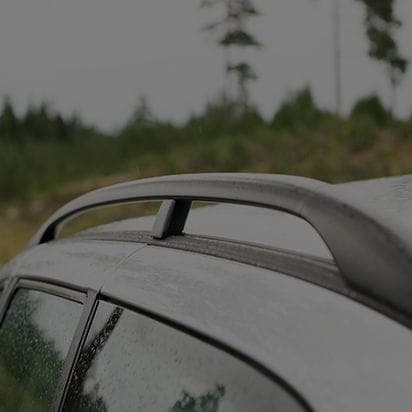
Your vehicle has side rails running front to rear with a gap between the rail and roof – usually wide enough to fit your fingers through.
Closed Rail Roof Types

Closed Rails

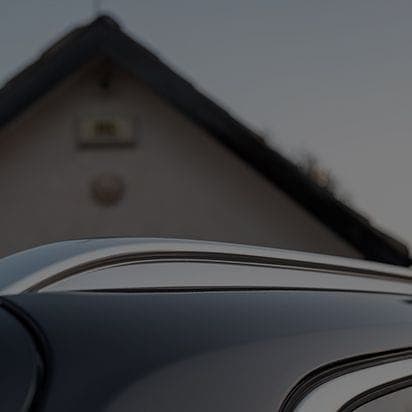
Closed or flush rails run along the roof like open rails but have no gap – they sit flush against the roof for their entire length.
Fixed Point Roof Types

Fixed Point

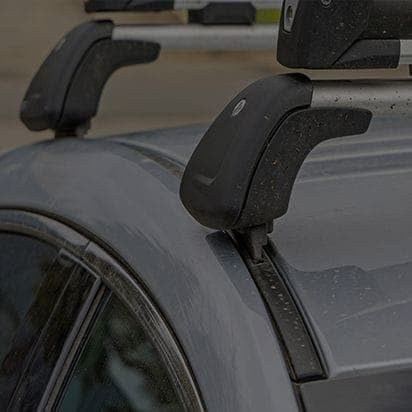
Fixed point roofs have no side rails but feature hidden tabs that reveal screw holes – found front and back on both sides of the roof for mounting accessories.
No Rail Roof Tye

No Rails

Normal roof cars lack rails or fixings; bars attach to door openings or rear window edges. Some clamp both bars on front doors, with gap distance provided if small.

Additional Information Required for

BOOT MATS
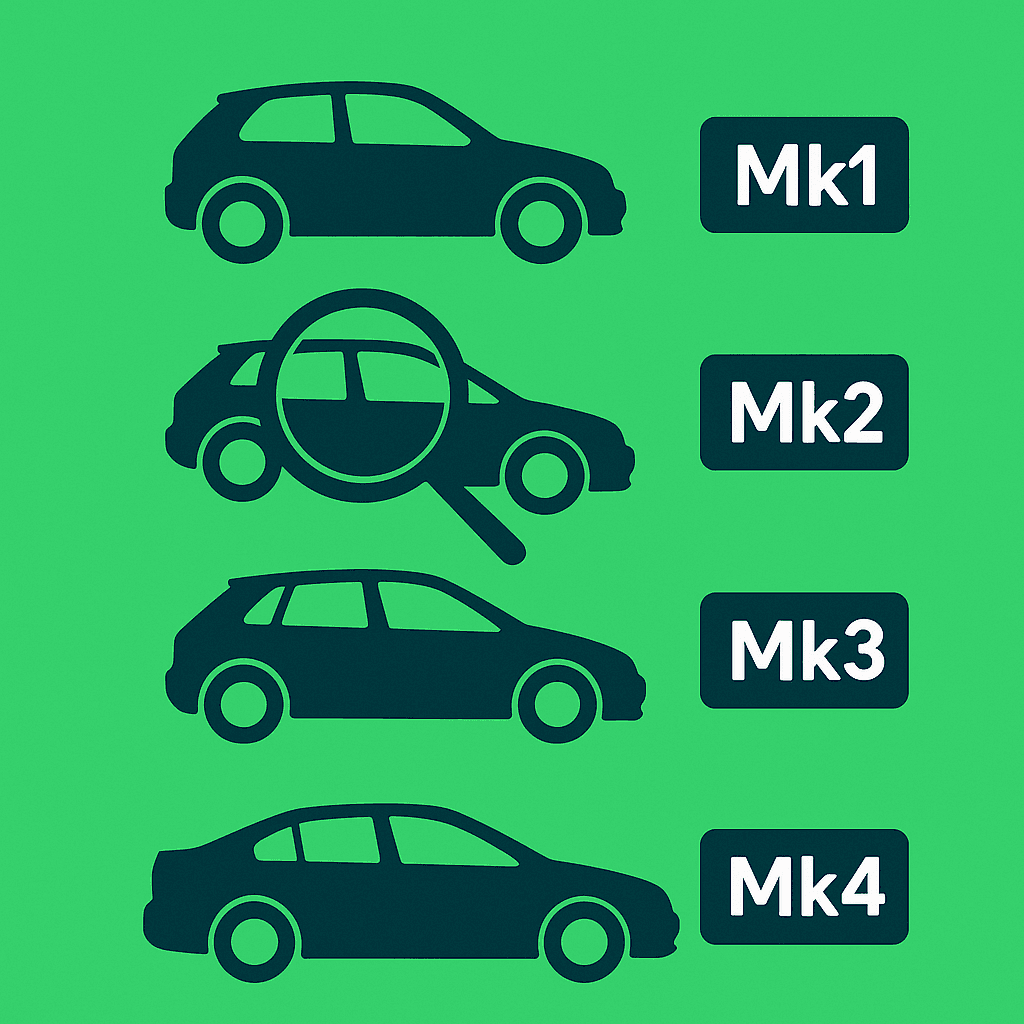
When selecting the correct boot mat, it's essential to confirm key vehicle details to ensure the right fit.

One important factor is the model generation, often shown as ‘Mk’ (e.g., Ford Focus Mk.2 vs. Mk.3). Crossover years, when a new generation replaces the old, can cause confusion – so double-check your exact model if your car was registered in one of these years. Our product listings help by including Mk numbers and our reg tool generally picks up on this information, we try to display images of the boot space where possible.

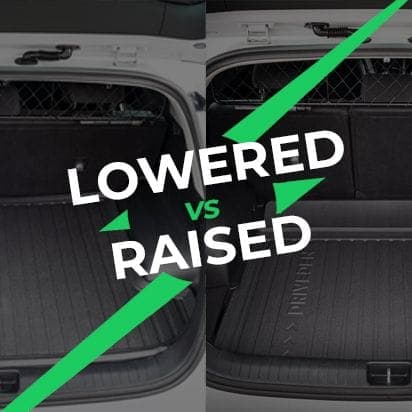
You should also check whether your vehicle has an adjustable height boot floor – as this can impact the fitment, in some cases we offer liner options in both raised and the lower positions. Boot size can also vary for models with moveable rear bench seats (some mats may not immediately fit until you’ve repositioned your rear seats). Comparing your boot layout to our product images can help ensure a match.

Another key detail to note is your spare wheel type (if applicable). Some vehicles have a full-size spare, a space saver, or no spare at all, which also affects the boot floor height. This influences which boot liner fits properly, and we indicate this in our product descriptions.

Finally, modern vehicles may include additional features like mounting points, boot organisers, or subwoofers, which may affect liner fit. Where relevant, we provide images and cut-out options for these. If you’re unsure, contact us for support.
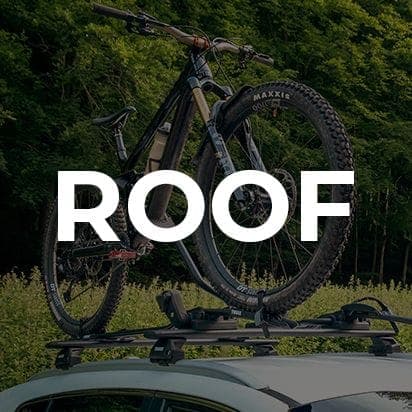
Roof Mounted Bike Racks
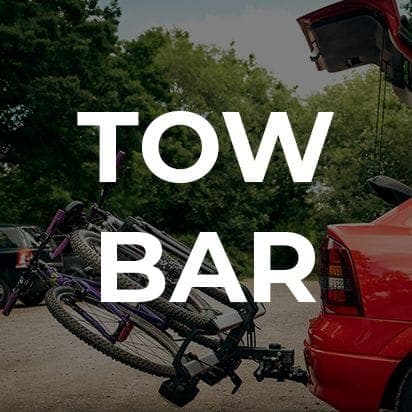
Towbar Mounted Bike Racks
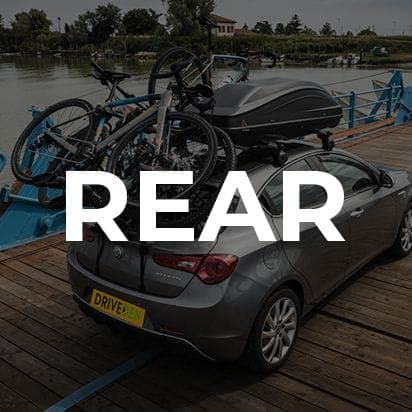
Rear Mounted Bike Racks

Additional Information Required for

Bike Racks

Fitting bike racks to cars can present several challenges, depending on your vehicle type, mounting position, and the bikes themselves. Roof-mounted bike racks often require compatible roof bars and may also need frame clamps to secure the bike properly. These setups can be tricky with heavier bikes or those with wide tyres, such as fat bikes or e-bikes, which may exceed weight limits or not fit standard mounts. Rear-mounted racks (strap-on or boot-mounted) must be carefully chosen to fit your vehicle’s shape - especially if your car has a rear spoiler. Some vehicles with rear-opening boots or split doors may not allow for safe mounting, and accessing the boot while the rack is attached can be difficult or impossible. Towbar-mounted racks are generally the most stable and can handle heavier bikes, but they require a towbar and electrics, which not all cars have. Additionally, some racks need a lighting board and number plate holder to remain road legal if they obscure your car’s lights or registration. In all cases, while our vehicle registration may say the bike rack is compatible, it's crucial to check bike weight and tyre width compatibility, especially for fat bikes or e-bikes. Secure fitting and road safety should always be top priorities, along with ensuring your setup meets legal requirements.

Additional Information Required for

Dog Guards
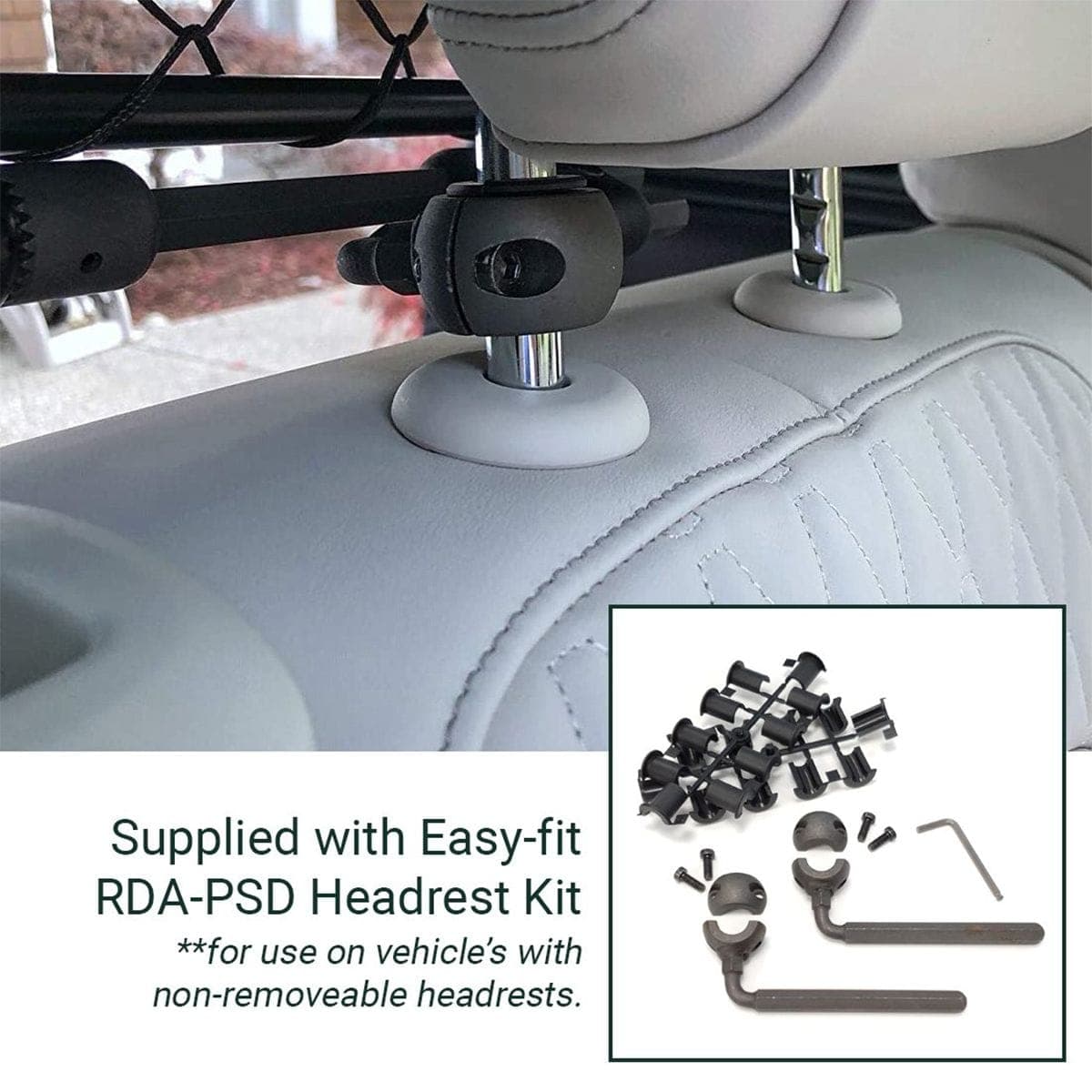
Purchasing one of our custom-fit dog guards is typically a straightforward process, with the initial choice between a mesh or tubular barrier often being the easiest decision. However, there are some specific vehicle features and fitting considerations that our car registration lookup tool may not identify. These small but important details can affect compatibility and installation, so it’s essential to review them before placing your order.
Check Your Headrests

Check Your Headrests

If your vehicle has fixed rear headrests, you’ll need an easy-fit headrest adaptor kit for some dog guards. Most won’t need it, but please check before buying – our lookup tool won’t confirm this.
Check Your Seat Rows

Check Your Seat Rows

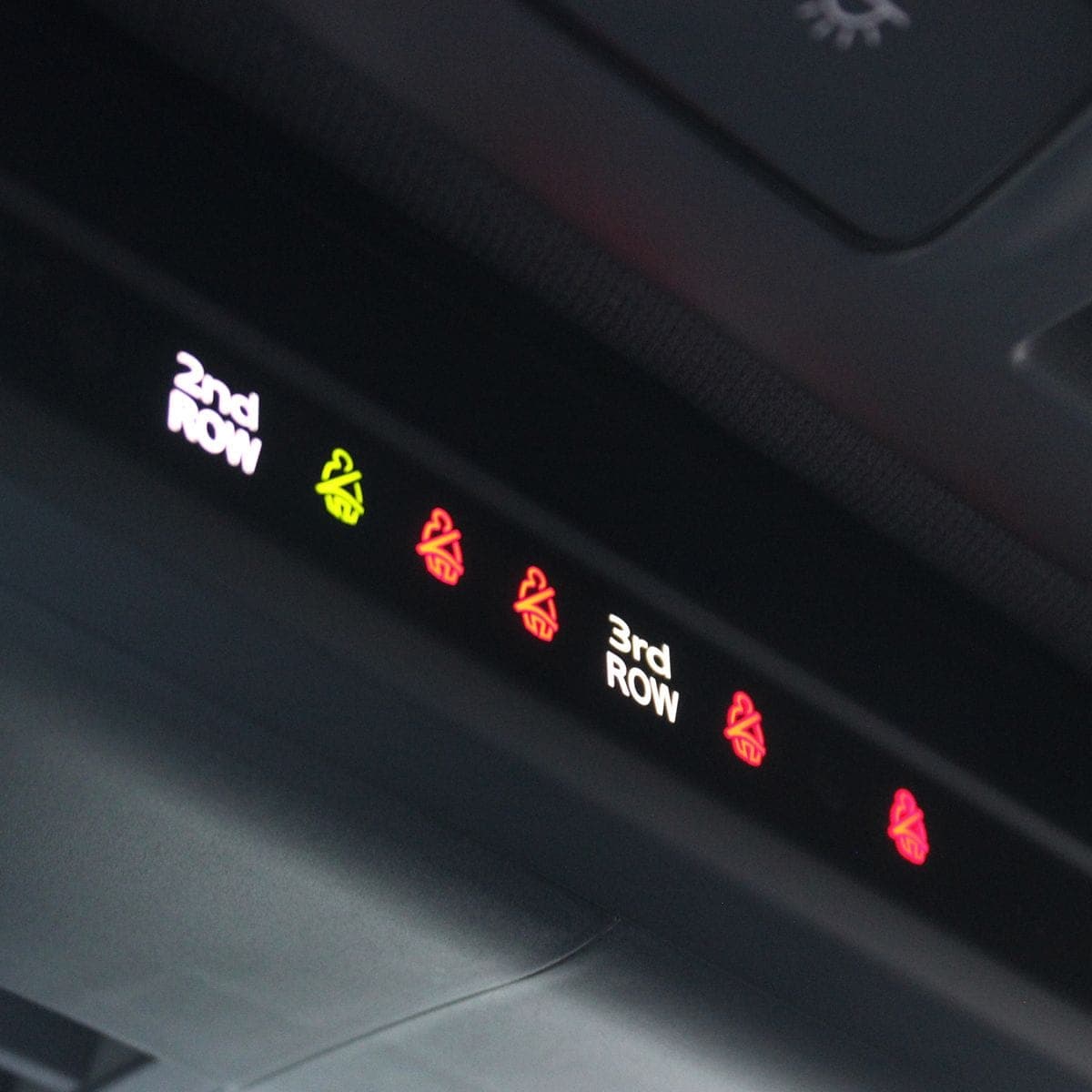
Some custom-fit dog guards are designed specifically to install behind either the second or third row of seats, depending on your vehicle layout. For example, in larger SUVs or 7-seater vehicles, a guard may only be compatible behind the second row, especially if the third row folds down or is rarely used. It's important to check the product description carefully to ensure correct placement.

We don't use registration data for

Roof Boxes
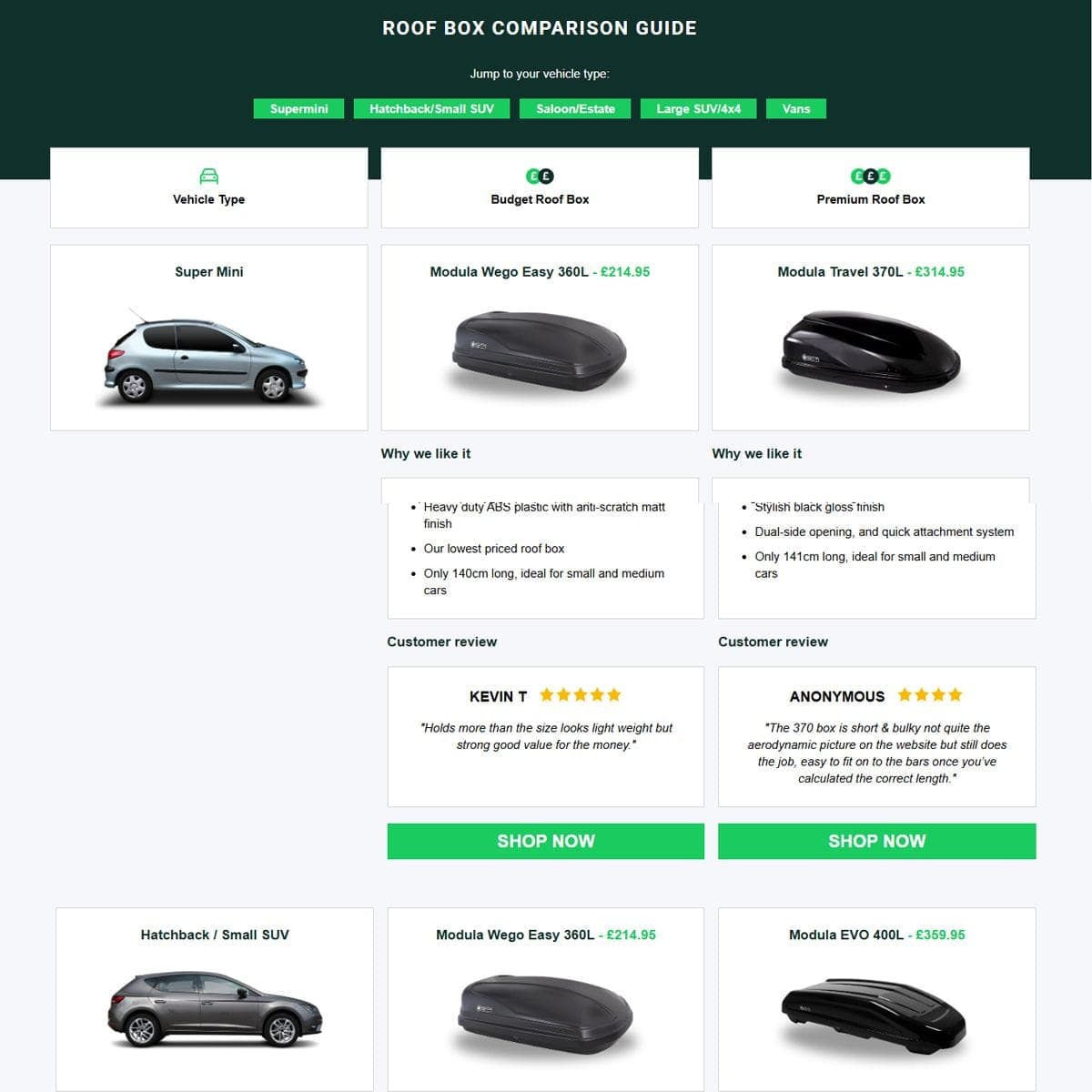
Matching roof boxes to specific vehicles using registration data is a complex task, as most roof boxes are designed to be universal rather than vehicle-specific. Instead, we recommend roof boxes based on key factors such as size, length, and intended use. For example, a compact car like a Skoda Citigo is better suited to a smaller roof box, while larger vehicles can accommodate higher-capacity options. To help you make the right choice, we’ve developed a comparison tool that suggests suitable roof boxes for your vehicle type, offering both budget-friendly and premium options.
DriveDen Roof Box Comparison Tool

Have further fitment questions?

Contact Us

Lorem ipsum dolor sit amet, consectetur adipiscing elit. Maecenas vel dolor pellentesque, varius elit quis, malesuada quam.

Email

Send us a message by E-mail

Message us
Facebook

Facebook

Send us a message on Facebook

Message us

Instagram

Send us a message on Instagram

Message us